





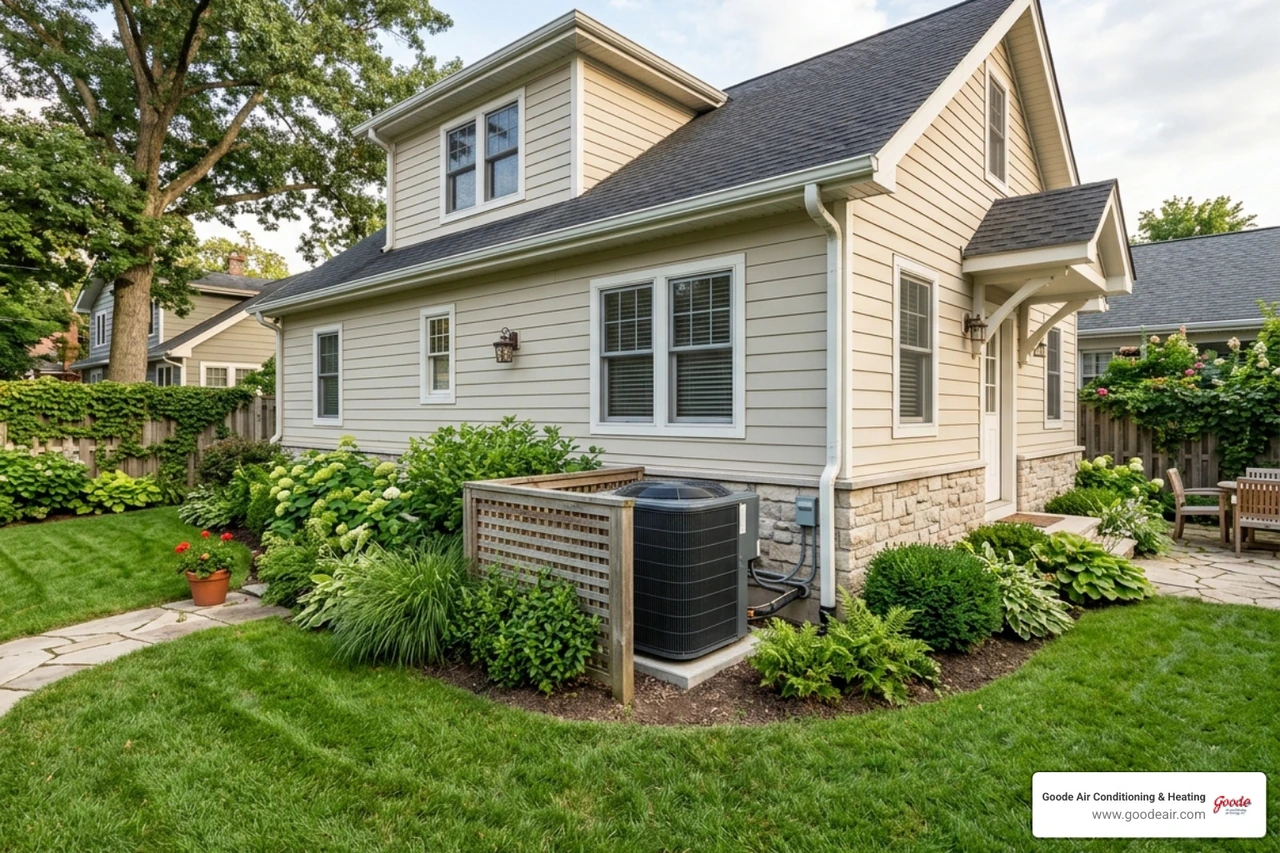
Why Heat Pump Advantages Over Traditional HVAC Matter for Northeast Houston Homeowners
Heat pump advantages over traditional HVAC come down to one core idea: instead of burning fuel or running resistance coils to create heat, a heat pump simply moves heat from one place to another. That makes it dramatically more efficient — and for homeowners in Northeast Houston dealing with soaring summer energy bills and year-round humidity, that efficiency gap is hard to ignore.
Here is a quick look at why heat pumps outperform traditional HVAC systems:
- Energy efficiency – Heat pumps can deliver 300–400% efficiency, meaning they produce 3 to 4 units of heating or cooling energy for every 1 unit of electricity used. Gas furnaces max out at 100%.
- Dual functionality – One system handles both heating and cooling, replacing the need for a separate furnace and AC.
- Lower energy bills – The average U.S. home can save $370–$1,000 per year switching from natural gas to a heat pump.
- Reduced carbon footprint – Heat pumps can cut household carbon emissions by up to 7.6 tons per year compared to older heating equipment.
- Better humidity control – High-efficiency models dehumidify more effectively than standard central air conditioners, a major plus in Houston's humid climate.
- Financial incentives – Federal tax credits through the Inflation Reduction Act cover 30% of installation costs, up to $2,000, valid through 2032.
- Long lifespan – Modern heat pump systems last 15–25 years with proper maintenance.
As of April 2026, heat pump technology has advanced to the point where even cold-climate models perform efficiently down to 5°F — making the old argument that "heat pumps don't work in cold weather" largely outdated. For most Houston-area homeowners, where winters are mild and summers are long and brutal, a heat pump is not just a viable option — it may be the smartest one.
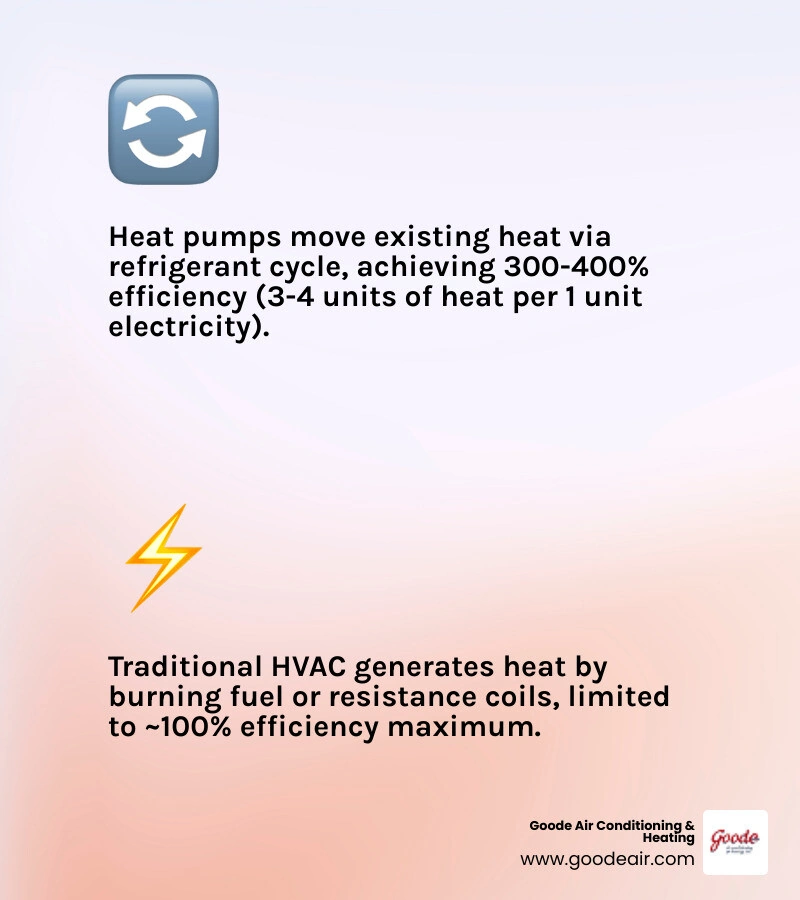
Dual-Functionality: One System for Year-Round Comfort
One of the most significant heat pump advantages over traditional HVAC is the ability to handle both heating and cooling within a single unit. In a traditional setup, you typically have a central air conditioner for the summer and a separate gas or electric furnace for the winter. A heat pump eliminates this "split personality" by using a specialized component called a reversing valve.
The Heat Pump Technology Principles Texas homeowners should understand are quite simple: in the summer, the unit acts exactly like an air conditioner, extracting heat from your indoor air and pumping it outside. When the temperature drops in communities like Humble or Kingwood, the reversing valve flips the flow of refrigerant. The system then extracts thermal energy from the outdoor air—even when it feels chilly to us—and brings it inside to warm your home.
This dual-functionality offers a space-saving design, as you no longer need a bulky furnace taking up room in your closet or attic. It also streamlines your maintenance schedule since you are only caring for one primary system rather than two distinct units.
Heat pump advantages over traditional HVAC in Texas summers
In Northeast Houston, we know that "cooling" isn't just about the temperature; it’s about the "mugginess." Traditional air conditioners often struggle to keep up with the intense humidity of a Texas July. Modern heat pumps, particularly those equipped with variable-speed compressors, excel at dehumidification.
By running at lower speeds for longer periods, these systems pull more moisture out of the air than a standard "on-or-off" AC unit. This creates a much more consistent cooling experience without the damp, clammy feeling often associated with older systems. When looking at Heat Pump vs AC Texas Cost Comfort, the ability to maintain a steady, dry indoor environment is a luxury that quickly pays for itself in sheer comfort.
Unmatched Energy Efficiency and Monthly Savings
The math behind heat pumps is almost hard to believe until you see the utility bills. Because these systems transfer heat rather than generating it through combustion or high-resistance electricity, they can achieve over 300% efficiency. To put that in perspective, even the most expensive high-efficiency gas furnace can only reach about 98% efficiency.
Current April 2026 standards utilize SEER2 (for cooling efficiency) and HSPF2 (for heating efficiency) ratings. These updated metrics provide a more accurate picture of how a unit performs in real-world conditions. For example, an ENERGY STAR certified air-source heat pump can reduce electricity use for heating by up to 75% compared to electric resistance heaters.
| System Type | Typical Efficiency | Energy Source |
|---|---|---|
| Air-Source Heat Pump | 300% - 400% | Electricity |
| Geothermal Heat Pump | 400% - 600% | Electricity / Ground Temp |
| High-Efficiency Gas Furnace | 90% - 98% | Natural Gas |
| Electric Baseboard/Furnace | 100% | Electricity |
Homeowners who switch often see Texas Heat Pumps Energy Savings that average over $500 per year, though some households saving over $1,000 annually depending on the system they are replacing.
Maximizing heat pump advantages over traditional HVAC through maintenance
While these systems are incredibly efficient, they aren't "set it and forget it." To maintain that 300% efficiency rating, regular Heat Pump Maintenance Humble TX is essential. Because the system works year-round, it accumulates wear and tear during both the summer and winter seasons.
We recommend HVAC Maintenance for Maximum Energy Savings twice a year—once before the summer heat hits and once before the winter chill arrives. Simple steps like changing filters every 90 days and ensuring the outdoor coils are free of debris from Texas thunderstorms can significantly extend the life of your system. Professional technicians will check refrigerant levels and calibrate the reversing valve to ensure you aren't losing money through minor mechanical leaks or electrical issues.
Environmental Impact and Sustainable Home Heating
As more families in the Northeast Houston area look for ways to reduce their carbon footprint, the heat pump has emerged as the clear winner in the "green" HVAC category. Traditional furnaces rely on on-site combustion—literally burning fossil fuels inside your home—which releases greenhouse gases and carries a small but real risk of carbon monoxide leaks.
Heat pumps are a cornerstone of the "electrification" movement. By removing the need for gas lines and combustion, you significantly improve your indoor air quality. Furthermore, as the Texas power grid continues to incorporate more renewable energy sources like wind and solar, your heat pump becomes cleaner over time. Studies have shown that upgrading to a heat pump can save up to 7.6 tons of carbon emissions per year, depending on the age of the equipment being replaced.
If you are currently using a HVAC Service Humble TX to keep an aging gas furnace on life support, switching to an electric heat pump is one of the most impactful environmental choices you can make for your property.
Versatile Installation Options for Every Home Layout
One of the best heat pump advantages over traditional HVAC is versatility. Whether you live in a historic home in Spring or a brand-new build in Tavola, there is a configuration that works.
- Ducted Systems: These are the most common replacements for traditional central AC and furnace setups. They use your existing ductwork to distribute air.
- Ductless Mini-Splits: Perfect for home additions, finished garages, or older homes that lack space for ducts. These allow for "zoning," meaning you only heat or cool the rooms you are actually using.
- Hybrid (Dual-Fuel) Systems: In some cases, we might recommend a hybrid setup where a heat pump is paired with a gas furnace. The heat pump handles the mild Texas winters, and the gas furnace only kicks in during those rare, extreme freezes.
- Geothermal Loops: While more complex to install, geothermal systems use the constant temperature of the earth to provide even higher efficiency levels.
We specialize in Heat Pump Installation Kingwood TX and Heat Pump Replacement Porter TX, ensuring that the system is accurately sized for your specific square footage. An oversized or undersized unit will "short cycle," wasting energy and failing to control humidity properly. If your current system is over 10-12 years old, a HVAC Replacement Tavola TX with a modern heat pump can completely transform your home's comfort levels.
Understanding the Heat Pump Advantages Over Traditional HVAC
Beyond the monthly utility savings, the financial landscape for heat pumps has changed dramatically thanks to the Inflation Reduction Act. Homeowners are currently eligible for a federal tax credit of 30% of the total cost of buying and installing a heat pump, capped at $2,000 per year. This credit resets annually, meaning you can plan multiple energy efficiency upgrades over several years.
When you combine these tax credits with local utility rebates and the long-term ROI of lower energy bills, the "upfront cost" argument against heat pumps often disappears. Choosing an ENERGY STAR certified model ensures you are meeting the highest standards for efficiency and eligibility for these incentives. Our Heat Pump Services team can help you navigate the documentation needed to claim these benefits.
Frequently Asked Questions about Heat Pumps
Can a heat pump really handle extreme cold in 2026?
Yes! This is the most common concern we hear during an HVAC Repair Spring TX visit. Older heat pumps from twenty years ago did struggle when temperatures dropped below freezing. However, modern "cold-climate" heat pumps are designed to maintain high efficiency even when it’s 5°F outside. In Northeast Houston, where our "extreme" cold rarely stays below freezing for long, these systems are more than capable. Most units also include auxiliary electric heat strips as a backup to ensure you stay warm no matter what the Texas weather throws at us.
How long do heat pump systems typically last compared to AC units?
A well-maintained air-source heat pump typically lasts between 15 and 20 years. Geothermal units can last even longer, with indoor components lasting up to 24 years and ground loops lasting over 50 years. This is comparable to traditional central AC units. The key to longevity is professional Heat Pump Repair Summerwood TX. Addressing small issues like refrigerant leaks or worn-out capacitors early prevents the compressor from overworking and failing prematurely.
Do heat pumps require more maintenance than a traditional furnace?
Not necessarily "more," but "different." A furnace only runs for a few months out of the year in Texas, whereas a heat pump works year-round. This means you cannot skip your annual inspections. Because there are more moving parts involved in the reversing process, regular HVAC Maintenance Crosby TX is vital to check the electrical connections and sensor calibrations. If you treat your heat pump well, it will provide high-efficiency comfort for decades.
Conclusion
At Goode Air Conditioning & Heating, we have seen home comfort technology evolve over our 50 years of trusted service. Today, the heat pump advantages over traditional HVAC are undeniable for homeowners in Northeast Houston. From the energy savings in Atascocita to the improved air quality in New Caney, these systems represent the future of residential climate control.
We are proud to be a family-owned business that stands behind our work with a 100% satisfaction guarantee and transparent pricing. Whether you are in Roman Forest, Foxwood, or Eagle Springs, our team is ready to help you transition to a more efficient, comfortable home.
Schedule your high-efficiency heat pump consultation today and start saving on your energy bills this season!

Customer Testimonials
See why so many homeowners trust Goode Air Conditioning & Heating, Inc.—our 4.8-star Google rating and hundreds of happy customers speak to the quality, care, and service we deliver every day.

The technician Goode AC is one of the best businesses I know of. I have had their annual maintenance check up for several years. I’m so impressed with the technician who has serviced my AC several times. Always on time, pleasant, considerate, thorough in his work and explains the problems where I can easily understand. Thankful for doing business with professionals.
I have been a customer for at least 30 years. They have replaced 3 air conditioners, a furnace and heat exchanger. Today they replaced the air ducts in my attic that were falling apart and never been cleaned. Wonderful job, polite workers, great clean up. I can already tell the difference in the quality of the air. Love you guys!!
Great experience today with Goode Air Conditioning. Hoger, our technician, was very knowledgeable and provided excellent customer service. We look forward to our Spring maintenance visit.
I have used Goode Air Conditioning and Heating for many years. The company has excellent customer service and the technicians are knowledgeable, thorough and professional.