





Your AC vs. a Texas Summer: What Every Northeast Houston Homeowner Needs to Know
Knowing how to make sure your AC survives a Texas summer is one of the most important things you can do as a homeowner in Northeast Houston. The average daytime high here reaches 98.3°F, and your system can log more than 2,800 operating hours in a single summer — the equivalent of four straight months of continuous running. That is not a typo. No AC system in Minnesota, Colorado, or even Georgia faces anything close to that kind of punishment.
Here is a quick summary of the most important steps:
- Schedule a professional tune-up in early spring — before the heat arrives, not after it does.
- Check and replace your air filter monthly — a clogged filter is one of the top causes of summer breakdowns.
- Keep the outdoor condenser clear — maintain at least 2 feet of clearance on all sides.
- Set your thermostat to 78°F when home — as recommended by the Department of Energy.
- Flush your condensate drain line monthly — pour white vinegar down the access point to prevent clogs.
- Seal air leaks and check attic insulation — reducing heat gain makes your system's job far easier.
- Know your warning signs — unusual noises, ice on copper lines, and short cycling all signal trouble ahead.
- Have an emergency plan — know who to call and how to stay safe if your system goes down mid-heatwave.
The stakes are real. In 2023, 334 Texans died from heat-related causes. When your AC fails in July, it is not just uncomfortable — it can be dangerous. The good news is that most summer AC failures are preventable. With the right preparation, your system can stay reliable all season long.
This guide walks you through everything: professional maintenance, DIY tasks, thermostat strategy, warning signs, and what to do if things go wrong anyway.

Why Texas Summers Are the Ultimate Test for Your Cooling System
If you have lived in Humble, Kingwood, or Porter for more than a single season, you know that low hum of the outdoor condenser unit that seems to never stop. In Texas, our air conditioners are not just appliances; they are lifelines. More than 98 percent of homes in our state have central air, and for good reason.
The challenge isn't just the triple-digit heat. It is the combination of extreme temperature and our oppressive 60-80% relative humidity. Your AC system is pulled in two directions at once. First, it has to handle the sensible heat—the actual temperature you see on the thermometer. Second, it must manage the latent load—the moisture in the air.
In a humid climate like ours, your AC removes between 5 and 20 gallons of water from your indoor air every single day. When the relative humidity inside climbs above 60%, your indoor air can feel 5 to 10 degrees warmer than the thermostat actually reads because your sweat cannot evaporate to cool you down.
Furthermore, energy consumption for your home spikes by 30% to 50% once outdoor temperatures climb above 95°F compared to a moderate 85°F day. This sustained runtime is what we call "equipment torture." Because the system never gets a real break, even a tiny weakness in a component like a capacitor or a fan motor will be exposed and lead to a total shutdown. This is why How Long Does an AC System Last in Texas is a different conversation than it is up north. While a unit might last 20 years in a milder climate, a system in Northeast Houston is often living on borrowed time after 12 to 15 years.
Professional Maintenance: How to Make Sure Your AC Survives a Texas Summer
Think of your AC system like a marathon runner. You wouldn't ask someone to run 26 miles in 100-degree heat without a physical checkup and the right shoes. A professional Air Conditioning Services visit is that physical for your HVAC system.
During a precision tune-up, we look at several critical points that a homeowner simply cannot check safely. The most important? Capacitor health. Capacitors are the #1 failure point for AC systems during heat waves. They act like large batteries that provide the "kick" needed to start your motors. Heat kills capacitors, and if yours is bulging or weak in April, it will almost certainly fail by July.

A comprehensive AC Tune-Up in Atascocita, TX also includes:
- Checking Refrigerant Levels: A system that is slightly low on refrigerant in the spring might seem fine, but once it hits 100°F, that low charge will cause the compressor to overheat. A $200 refrigerant adjustment in April can prevent a $3,000 compressor failure in August.
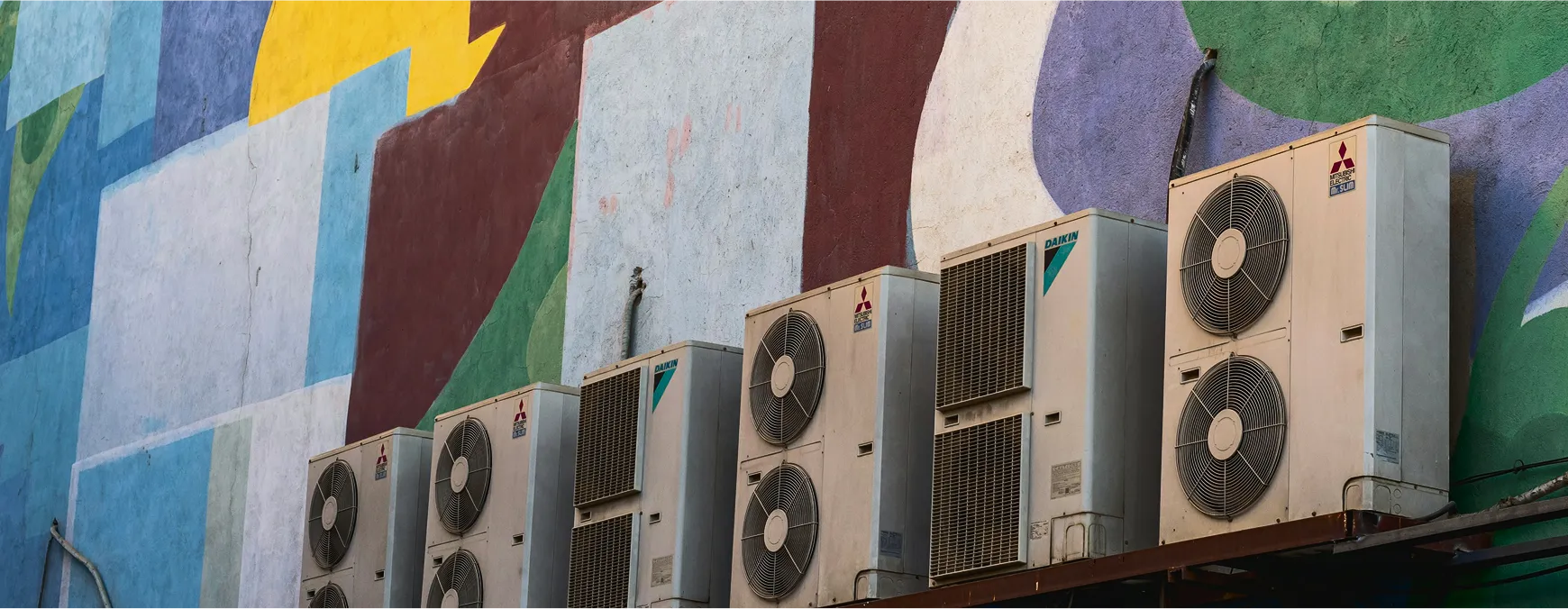
- Cleaning the Coils: Your outdoor condenser unit is essentially sitting in an oven. If the coils are caked with dust, pollen, or grass clippings, the system cannot release heat. This forces the compressor to work harder and run longer.
- Inspecting Electrical Connections: Heat causes wires to expand and contract, which can loosen connections and lead to electrical shorts or burnt-out contactors.
- Calibration: We ensure your system is maintaining a proper 15-20°F temperature differential between the air going into the return and the air coming out of the vents.
If you are wondering How Often Should You Service Your AC in Texas, the answer is at least once a year, ideally in the early spring. For older systems or homes with heavy cooling demands, bi-annual service is even better. Our team provides expert HVAC Maintenance in Porter, TX to ensure your system is ready for the "Lone Star Struggle."
The Critical Role of Air Filters in How to Make Sure Your AC Survives a Texas Summer
The single most common reason we get called out for "my AC isn't cooling" is a dirty air filter. It sounds simple, but in HVAC, airflow is king. A clogged filter acts like a wall, forcing your blower motor to work twice as hard to pull air through.
For most homes in Northeast Houston, we recommend using pleated filters with a MERV 8 to 11 rating. This provides a great balance between catching dust and pollen without being so restrictive that it kills your airflow. During the peak of summer, you should inspect your filter every 30 days. If you have pets that shed or live near a dusty area in Huffman or Crosby, you might need to change it every three weeks.
When airflow is restricted, the temperature of your evaporator coil (the inside part) can drop below freezing. Moisture from the humid Houston air then hits that freezing coil and turns into a block of ice. Once your system is encased in ice, it stops cooling entirely. Regular HVAC Maintenance for Maximum Energy Savings always starts with a clean filter.
Optimizing Your Thermostat for How to Make Sure Your AC Survives a Texas Summer
We know, 78°F sounds warm when it's 105°F outside. However, the Department of Energy recommends 78°F when you are home and 80-82°F when you are away for a reason. Every degree you set your thermostat below 78°F can increase your energy usage by about 8%.
If you find 78°F uncomfortable, remember the ceiling fan wind-chill effect. A ceiling fan doesn't actually lower the room temperature, but it can make you feel up to 4 degrees cooler by moving air over your skin. Using a fan allows you to keep the thermostat a bit higher without sacrificing comfort.
Modern smart thermostats are a game-changer for HVAC Service in Spring, TX. They can save you up to 10% on cooling costs by automatically adjusting the temperature when you leave the house. Many also feature "Dehumidification Mode," which runs the fan at a lower speed to pull more moisture out of the air, making a higher temperature feel much cooler.
DIY Steps and Home Efficiency Improvements
While professional service is vital, there are several things you can do yourself to protect your investment.
First, look at your outdoor unit. It needs to breathe. Ensure there is at least a 2-foot clearance from grass, weeds, bushes, or stored items. If your unit is tucked behind a thick hedge, it is recycling its own hot air, which is a recipe for a breakdown. We often see this during AC Maintenance in Huffman, TX where lush Texas landscaping can quickly overgrow the equipment.
Another essential DIY task is flushing your condensate drain line. Remember those 5-20 gallons of water your AC removes? That water travels down a small PVC pipe. Over time, algae and "slime" can grow in that pipe and clog it. Every month, pour a cup of white vinegar followed by a gallon of hot water down the access point. This prevents the line from backing up and triggering your safety switch (which shuts the whole system off).
| Task | DIY or Professional? | Frequency |
|---|---|---|
| Change Air Filter | DIY | Monthly (Summer) |
| Clear Debris from Unit | DIY | Monthly |
| Flush Drain Line | DIY | Monthly |
| Check Capacitor Health | Professional | Annually |
| Inspect Refrigerant | Professional | Annually |
| Clean Internal Coils | Professional | Annually |
| Test Safety Switches | Professional | Annually |
Beyond the AC unit itself, improving your home's "envelope" reduces the strain on the system.
- Air Sealing: Use caulk or weatherstripping to seal leaks around windows and doors.
- Attic Insulation: Heat rises, but it also pushes down from your roof. Proper insulation can save you up to 40% on cooling costs.
- Solar Screens and Blackout Curtains: Blocking the sun before it hits your glass can reduce indoor temperatures by several degrees.
- LED Bulbs: Old incandescent bulbs are basically tiny heaters. Switching to LEDs reduces the internal heat gain in your home.
Recognizing Warning Signs and Managing Breakdowns
Most AC systems don't just "die" without warning; they give you signals that they are struggling. If you catch these early, you can avoid a total shutdown during the hottest part of the year.
Warning Signs to Watch For:
- Ice on the Lines: If you see white frost or ice on the copper pipes leading to your outdoor unit, turn the system off immediately. This is usually caused by a dirty filter or low refrigerant.
- Unusual Noises: Grinding, squealing, or loud rattling sounds often mean a motor bearing is failing or a fan blade is loose.
- Short Cycling: If your AC turns on and off every few minutes, it is likely overheating or has an electrical issue.
- The 15-20°F Differential: Use a simple thermometer to check the air temperature at your return vent and a supply vent. If the difference is less than 15 degrees, your system is not cooling efficiently and needs AC Repair in Humble, TX.
If your AC does break down during a heatwave, stay calm. Contact a professional immediately, as wait times can grow during peak heat. While you wait, keep your blinds closed and avoid using the oven or dryer. You can stay safe by applying cold washcloths to your "pulse points"—wrists and neck—and drinking plenty of water. Refer to our Best AC Repair Guide in Porter, TX for more troubleshooting steps.
When to Consider AC Replacement
Sometimes, "surviving" the summer means recognizing that your old unit has reached the end of its road. In Northeast Houston, an AC system older than 12-15 years is living on borrowed time. AC systems typically fail between days 8 and 15 of a sustained extreme heat event.
If you are facing a major repair, use our Repair vs. Replace Your HVAC Decision Guide. A general rule of thumb: if the repair costs more than 50% of a new system, replacement is usually the smarter investment.
Newer systems are significantly more efficient. Moving from an old unit to a modern SEER2-rated system can increase your efficiency by 40% and lower your monthly bills by 20-40%. Features like variable-speed motors are particularly effective in our climate because they run longer at lower speeds, which is much better for removing humidity. When you are ready for a AC Replacement in Summerwood, TX, look for a trusted AC Installation Contractor Guide in Porter, TX to ensure the job is done right.
Frequently Asked Questions about Texas AC Survival
Is it normal for my AC to run all day when it's over 100 degrees?
Yes. Most residential AC systems are designed to maintain a 75°F indoor temperature when it is 95°F outside. Once the temperature hits 100°F or 105°F, your home gains heat faster than the AC can remove it. It is perfectly normal for a healthy system to run continuously from 2 PM to 8 PM during a heatwave. As long as the indoor temperature isn't rising, your system is doing its job.
Why does my house feel humid even when the AC is running?
This is often caused by an oversized system. If an AC is too powerful for the home, it cools the air so quickly that it doesn't run long enough to remove the moisture. This leaves you with a "cold, damp cave" feeling. Other causes include a dirty evaporator coil or a system that is short-cycling. In some cases, a whole-home dehumidifier is the best solution for the humid Northeast Houston climate.
What should I do if my AC stops working during a heatwave?
First, check your circuit breaker and your air filter. If those are fine, check the outdoor unit for ice. If it's frozen, turn it off to let it thaw before a technician arrives. While waiting for AC Installation in Kingwood, TX or repair, stay hydrated and visit public cooling centers like libraries or malls if your home temperature exceeds 90°F.
Conclusion
At Goode Air Conditioning & Heating, we have spent 50 years helping our neighbors in Roman Forest, Crosby, Spring, and Kingwood stay cool when the Texas sun is at its worst. We are a family-valued business that believes in transparent pricing and a 100% satisfaction guarantee.
Knowing how to make sure your AC survives a Texas summer isn't just about comfort—it's about peace of mind. Don't wait until the first 100-degree day to find out if your system is up to the task. Whether you need a quick tune-up in Atascocita or a full system replacement in Humble, we are here to help.
Check Our Service Locations to see if we are in your neighborhood, and Schedule Your Professional Air Conditioning Service today. Let's make sure this is the summer you stay cool, no matter what the thermometer says.

Customer Testimonials
See why so many homeowners trust Goode Air Conditioning & Heating, Inc.—our 4.8-star Google rating and hundreds of happy customers speak to the quality, care, and service we deliver every day.

The technician Goode AC is one of the best businesses I know of. I have had their annual maintenance check up for several years. I’m so impressed with the technician who has serviced my AC several times. Always on time, pleasant, considerate, thorough in his work and explains the problems where I can easily understand. Thankful for doing business with professionals.
I have been a customer for at least 30 years. They have replaced 3 air conditioners, a furnace and heat exchanger. Today they replaced the air ducts in my attic that were falling apart and never been cleaned. Wonderful job, polite workers, great clean up. I can already tell the difference in the quality of the air. Love you guys!!
Great experience today with Goode Air Conditioning. Hoger, our technician, was very knowledgeable and provided excellent customer service. We look forward to our Spring maintenance visit.
I have used Goode Air Conditioning and Heating for many years. The company has excellent customer service and the technicians are knowledgeable, thorough and professional.