
HVAC Maintenance for Maximum Energy Savings: How to Cut Energy Bills with Efficient HVAC Operation

An efficient HVAC system is not just about comfort; it’s a cornerstone of smart home management, significantly lowering your energy bills and ensuring your living or working space remains consistently comfortable. This comprehensive guide delves into the critical importance of routine maintenance, highlights which tasks yield the most substantial energy savings, and explores how modern technological advancements—such as smart thermostats—can further amplify your efforts to conserve energy. Many instances of unexpectedly high utility bills can be traced back to neglected heating, ventilation, and air conditioning systems. By committing to regular care, you can dramatically reduce operational costs, extend the lifespan of your valuable equipment, and enjoy superior indoor air quality. Below, we meticulously cover essential maintenance steps, discuss beneficial upgrades, and introduce the professional services available from Goode Air Conditioning & Heating, Inc., designed to keep your system running at its peak.
Why Is Regular HVAC Maintenance Essential for Energy Savings?
Regular maintenance is the bedrock of an optimally performing HVAC system. It ensures your equipment operates precisely as it was engineered to, preventing inefficiencies that lead to wasted energy and higher costs. Simple, timely checks and professional service not only reduce energy consumption but also proactively prevent costly breakdowns, significantly extending the operational life of your entire system. When your HVAC unit is properly tuned up, it consumes less power, delivers superior air quality, and maintains stable indoor temperatures, translating directly into lower utility bills and enhanced comfort throughout the year.
How Does HVAC Maintenance Improve Energy Efficiency?
The link between consistent maintenance and improved energy efficiency is clear and multifaceted. Each maintenance task plays a vital role in optimizing system performance:
- Clean Filters and Coils: Unrestricted airflow is paramount. Clean air filters and evaporator/condenser coils allow air to move freely, preventing the system from overworking to achieve desired temperatures.
- Correct Refrigerant Levels: Proper refrigerant charge is crucial for the heat exchange process. Low or incorrect levels force the compressor to work harder, consuming more energy without effective cooling or heating.
- Proper Insulation: Well-maintained insulation around ducts and components minimizes thermal loss or gain, ensuring conditioned air reaches its destination efficiently.
- Routine Inspections: Regular checks by qualified technicians catch minor issues—like loose connections, worn belts, or minor leaks—before they escalate into major problems that force the system to operate inefficiently or fail entirely.
Extensive research consistently demonstrates that combining the expertise of skilled technicians with the integration of appropriate technology offers the most reliable pathway to achieving substantial energy savings and superior system performance.
What Are the Benefits of Efficient HVAC Operation?
Beyond the immediate financial savings, an efficiently operating HVAC system delivers a multitude of advantages:
- Lower Monthly Bills: This is the most direct and tangible benefit, as your system uses less energy to achieve the same level of comfort.
- More Reliable Comfort: Enjoy consistent temperatures without unexpected fluctuations, hot spots, or cold drafts.
- Fewer Repairs: Proactive maintenance identifies and addresses potential issues before they become expensive breakdowns, saving you money and inconvenience.
- Improved Indoor Air Quality: Clean filters and coils contribute to healthier air by reducing dust, allergens, and pollutants circulating in your home or business.
- Extended Equipment Lifespan: A well-maintained system experiences less wear and tear, delaying the need for costly replacements and maximizing your investment.
- Reduced Environmental Impact: Lower energy consumption means a smaller carbon footprint, contributing to a healthier planet.
What Are the Key HVAC Maintenance Tasks to Reduce Energy Bills?

To unlock the maximum energy savings from your HVAC system, it’s crucial to prioritize a few high-impact maintenance tasks. These actions are not only simple to implement but also deliver significant financial benefits both in the short term and over the long operational life of your equipment.
How Does Air Filter Replacement Impact Energy Savings?
The air filter is your HVAC system’s first line of defense against dust, dirt, and allergens. When filters become clogged with these particles, they severely restrict airflow, forcing your system’s blower motor to work significantly harder to pull air through. This increased effort translates directly into higher electricity consumption and unnecessary wear and tear on components. Changing your air filters every 1–3 months, or more frequently if you have pets, allergies, or live in a dusty environment, is one of the easiest and most cost-effective ways to maintain steady airflow, reduce energy use by roughly 5–15%, and ensure cleaner indoor air quality.
Why Is Coil Cleaning Important for HVAC Energy Efficiency?
The evaporator and condenser coils are critical components responsible for the heat transfer process that cools or heats your home. The evaporator coil, located inside, absorbs heat from your indoor air, while the condenser coil, part of the outdoor unit, releases that heat outside. When these coils become coated with dirt, dust, and grime, their ability to efficiently transfer heat is severely compromised. This forces the system to run longer and work harder to achieve the desired temperature, leading to a significant drop in efficiency. Cleaning both evaporator and condenser coils once a year can dramatically improve performance—studies indicate efficiency gains of up to about 30%—making annual coil care a highly valuable investment for energy savings.
How Can Smart Thermostats and HVAC Upgrades Maximize Energy Savings?
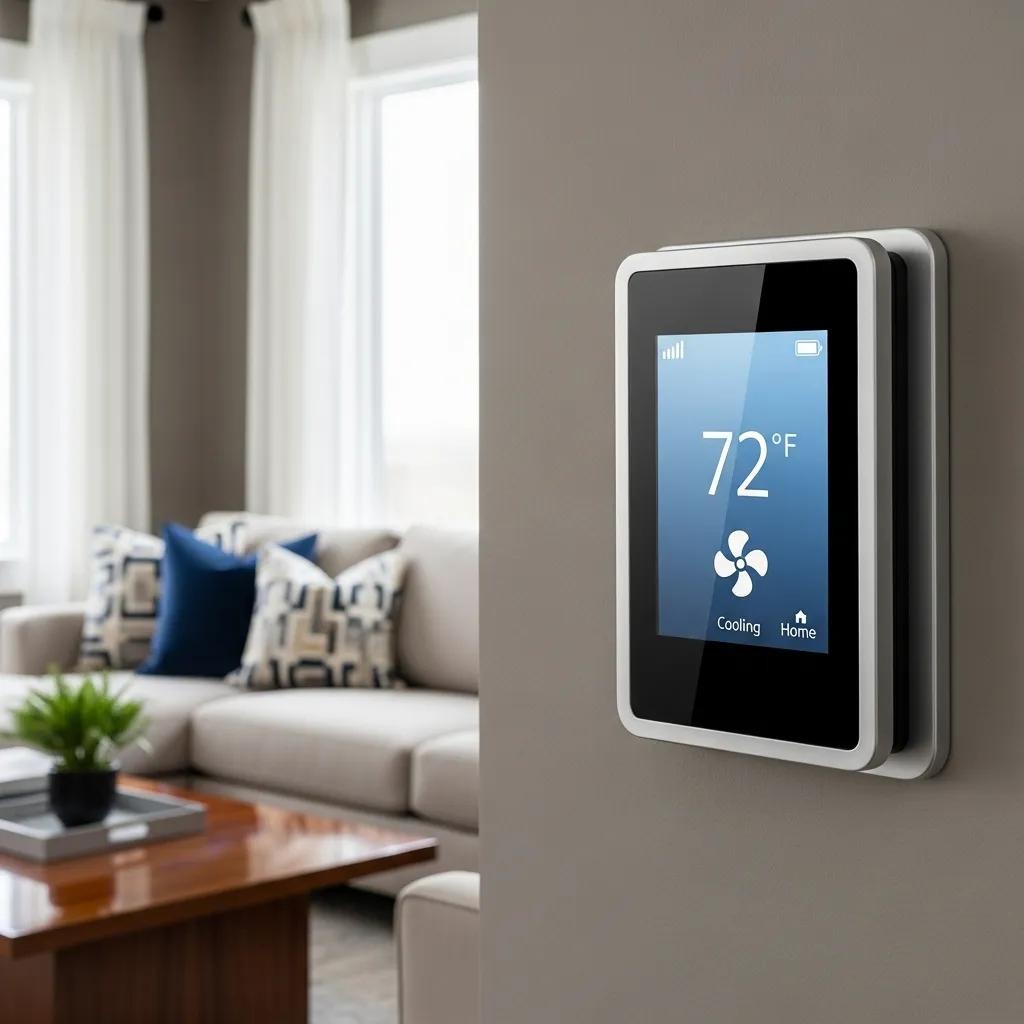
Beyond routine maintenance, integrating smart thermostats and making targeted equipment upgrades can provide unparalleled control over your HVAC system, leading to even greater energy savings. These technologies enable precise temperature management, intelligent scheduling, and adaptive operation, effectively limiting wasted runtime and tailoring climate control to your specific habits and needs without sacrificing comfort.
What Features of Smart Thermostats Enhance HVAC Energy Management?
Smart thermostats are packed with innovative features designed to optimize energy use:
- Remote Control: Adjust your home’s temperature from anywhere using a smartphone app, ensuring comfort upon arrival and saving energy when you’re away.
- Learning Schedules: Many smart thermostats learn your daily routines and preferred temperatures, automatically creating an optimized schedule that heats or cools only when necessary.
- Geofencing: This feature uses your phone’s location to detect when you leave or approach home, automatically adjusting the thermostat to an energy-saving mode or preparing for your arrival.
- Energy Reports: Gain insights into your energy consumption patterns, helping you identify areas for further savings.
- Zone Control Integration: For homes with multiple zones, smart thermostats can manage each zone independently, preventing the heating or cooling of unoccupied areas.
- Voice Control: Seamless integration with smart home assistants allows for hands-free temperature adjustments.
Advanced thermostat algorithms can be leveraged to optimize the combined power demand of multiple HVAC systems, particularly in commercial settings, leading to significant improvements in overall energy management and cost reduction.
Which Energy-Efficient HVAC Systems and Upgrades Offer the Best Savings?
Investing in high-efficiency HVAC systems and strategic upgrades can yield substantial long-term savings:
- High-Efficiency Air Conditioners and Heat Pumps: Look for units with high SEER (Seasonal Energy Efficiency Ratio) for AC and HSPF (Heating Seasonal Performance Factor) for heat pumps. These systems deliver the same level of comfort using significantly less electricity.
- Variable-Speed Motors: These motors can adjust their output to match demand, running at lower speeds for longer periods, which is more efficient and provides better dehumidification and consistent temperatures than single-speed units.
- Zoning Systems: For larger homes or those with varying temperature preferences, zoning allows you to heat or cool specific areas independently, avoiding energy waste in unoccupied rooms.
- Programmable Thermostats (if not upgrading to smart): Even basic programmable thermostats offer significant savings over manual ones by allowing you to set schedules.
When paired with proper maintenance and intelligent controls, an energy-efficient system represents one of the best investments for long-term financial savings and enhanced comfort.
How Does Ductwork Sealing and Insulation Contribute to HVAC Energy Efficiency?
The ductwork in your home or business acts as the circulatory system for your conditioned air. Ensuring these ducts are properly sealed and insulated is paramount to energy efficiency. When done correctly, effective ductwork prevents the wasteful escape of conditioned air, meaning your HVAC system doesn’t have to run longer or work harder to compensate for lost heating or cooling, directly impacting your energy bills.
How Do Leaks in Ductwork Increase Energy Consumption?
Duct leaks are a silent energy thief. They allow conditioned air to escape into unconditioned spaces like attics, crawl spaces, or basements, and conversely, can draw unconditioned air (and associated dust, allergens, and humidity) into your conditioned living areas. This can lead to an increase in energy use by roughly 20–30%, as your HVAC system struggles to maintain the desired temperature. Common leak points include:
- Joints and seams where duct sections connect.
- Connections to the air handler or furnace.
- Register and grille connections to the ductwork.
- Damaged or poorly installed duct sections.
Extensive research on duct sealing consistently shows measurable reductions in energy consumption and improved comfort levels when leakage to unconditioned spaces is effectively addressed.
What Are Professional Techniques for Duct Sealing and Insulation?
While some minor duct sealing can be a DIY task, professional techniques offer superior and longer-lasting results:
- Mastic Sealant: HVAC professionals use a specialized, non-hardening mastic sealant to thoroughly seal all seams, joints, and connections. This material creates an airtight, durable bond that outperforms standard duct tape.
- Metal Foil Tape: High-quality, UL-listed metal foil tape is used on specific seams and connections, providing a robust and long-lasting seal.
- Aeroseal Technology: For hard-to-reach or extensive leaks, some professionals utilize Aeroseal, an innovative technology that injects a polymer sealant into the duct system, sealing leaks from the inside out.
- Proper Insulation: Ducts running through unconditioned areas (attics, crawl spaces, garages) are insulated with materials like fiberglass or rigid foam boards to prevent heat gain in summer and heat loss in winter. The appropriate R-value of insulation is crucial for effectiveness.
- Pressure Testing: Professionals often perform pressure tests before and after sealing to quantify the reduction in leakage and ensure the effectiveness of their work.
These professional methods are significantly more durable and effective than ordinary cloth-backed duct tape, which often degrades over time, helping to eliminate heat loss, improve comfort, and ensure your system operates at peak efficiency.
What HVAC Maintenance Plans Does Goode Air Offer for Northeast Houston?
Goode Air Conditioning & Heating, Inc. is proud to offer comprehensive maintenance plans tailored for both residential and commercial properties across Northeast Houston. Each plan is meticulously designed to keep your HVAC systems running efficiently year-round, proactively preventing unexpected breakdowns and ensuring consistent comfort and savings.
What Are the Benefits of Goode Air’s Residential and Commercial Maintenance Plans?
Enrolling in a Goode Air maintenance plan provides a wealth of benefits that extend far beyond simple tune-ups:
- Long-Term Savings: Regular service reduces energy consumption, leading to lower monthly utility bills.
- Enhanced System Reliability: Proactive inspections and adjustments significantly reduce the likelihood of unexpected equipment failures, especially during peak seasons.
- Extended Equipment Lifespan: Well-maintained systems experience less wear and tear, delaying the need for costly replacements.
- Priority Service: As a plan member, you receive priority scheduling for service calls, ensuring faster response times when you need them most.
- Repair Discounts: Enjoy exclusive discounts on parts and labor for any necessary repairs.
- Improved Indoor Air Quality: Regular cleaning and filter changes contribute to a healthier indoor environment.
- Peace of Mind: Knowing your system is professionally cared for provides comfort and security.
- Warranty Protection: Many manufacturer warranties require proof of annual maintenance to remain valid.
- Commercial Compliance: For businesses, regular maintenance helps ensure compliance with health and safety regulations and maintains a comfortable environment for employees and customers.
How Do Seasonal Tune-Ups and Membership Benefits Support Efficient HVAC Operation?
Our seasonal tune-ups are thorough, multi-point inspections and adjustments designed to prepare your system for the demands of the upcoming season. For example, a spring AC tune-up includes:
- Checking refrigerant levels and pressure.
- Cleaning condenser and evaporator coils.
- Inspecting and cleaning the condensate drain.
- Lubricating moving parts to reduce friction.
- Checking electrical connections and components.
- Testing thermostat accuracy.
- Inspecting blower components.
- Measuring airflow and temperature differential.
These proactive steps, combined with membership perks like priority service and exclusive repair discounts, make it faster and more affordable to get expert help whenever it’s needed. By preventing minor issues from becoming major problems, our plans protect your comfort and consistently help keep your energy costs down. Contact Us Today!
Ready to Start Saving on Your Energy Bills?
Don’t let inefficient HVAC operation drain your wallet. Contact Goode Air Conditioning & Heating, Inc. today to learn more about our maintenance plans and schedule your next service.
What Are Common FAQs About HVAC Maintenance and Energy Savings?
Understanding the practical aspects of HVAC maintenance and its direct impact on energy consumption can empower you to make more informed decisions for your home or business. Here are answers to some frequently asked questions:
How Much Can Regular HVAC Maintenance Save on Energy Bills?
The savings from regular HVAC maintenance can be substantial, typically ranging from about 10–30% on your energy bills. The exact amount depends on several factors, including the age and current condition of your system, the frequency and thoroughness of service, and your local climate. For older, less efficient, or neglected systems, the potential for savings is often at the higher end of this range. Keeping equipment properly tuned, coils clean, and filters replaced makes a clear and measurable difference in energy use and overall operational costs.
How Often Should HVAC Systems Be Serviced for Maximum Efficiency?
For maximum efficiency and reliability, HVAC systems should be serviced at least once a year. Ideally, a system should receive two professional tune-ups annually: one in the spring to prepare the air conditioning for summer, and another in the fall to get the heating system ready for winter. Heavily used systems, older units, or those in environments with high dust or pet dander may benefit from even more frequent checks. Regular servicing not only keeps performance high but also significantly lowers the chance of unexpected breakdowns and costly repairs later on, ensuring your system is always operating at its peak.
Conclusion
In summary, regular HVAC maintenance is not merely a recommendation; it is one of the most effective and financially prudent strategies for significantly lowering energy bills and ensuring your indoor environment remains consistently comfortable and healthy. Simple yet impactful tasks—such as diligently replacing air filters, ensuring coils are meticulously cleaned, and scheduling professional seasonal tune-ups—when combined with smart technological upgrades like programmable or smart thermostats, deliver measurable and substantial savings. These proactive measures not only optimize your system’s performance but also extend its operational lifespan and reduce the likelihood of costly emergency repairs. Don’t wait for a breakdown to realize the value of a well-maintained system. Let Goode Air Conditioning & Heating, Inc. be your trusted partner in maintaining an efficient, reliable HVAC system, and start realizing the benefits of energy savings today.