Warning Signs Your Heating System Needs Immediate Repair You Shouldn’t Ignore
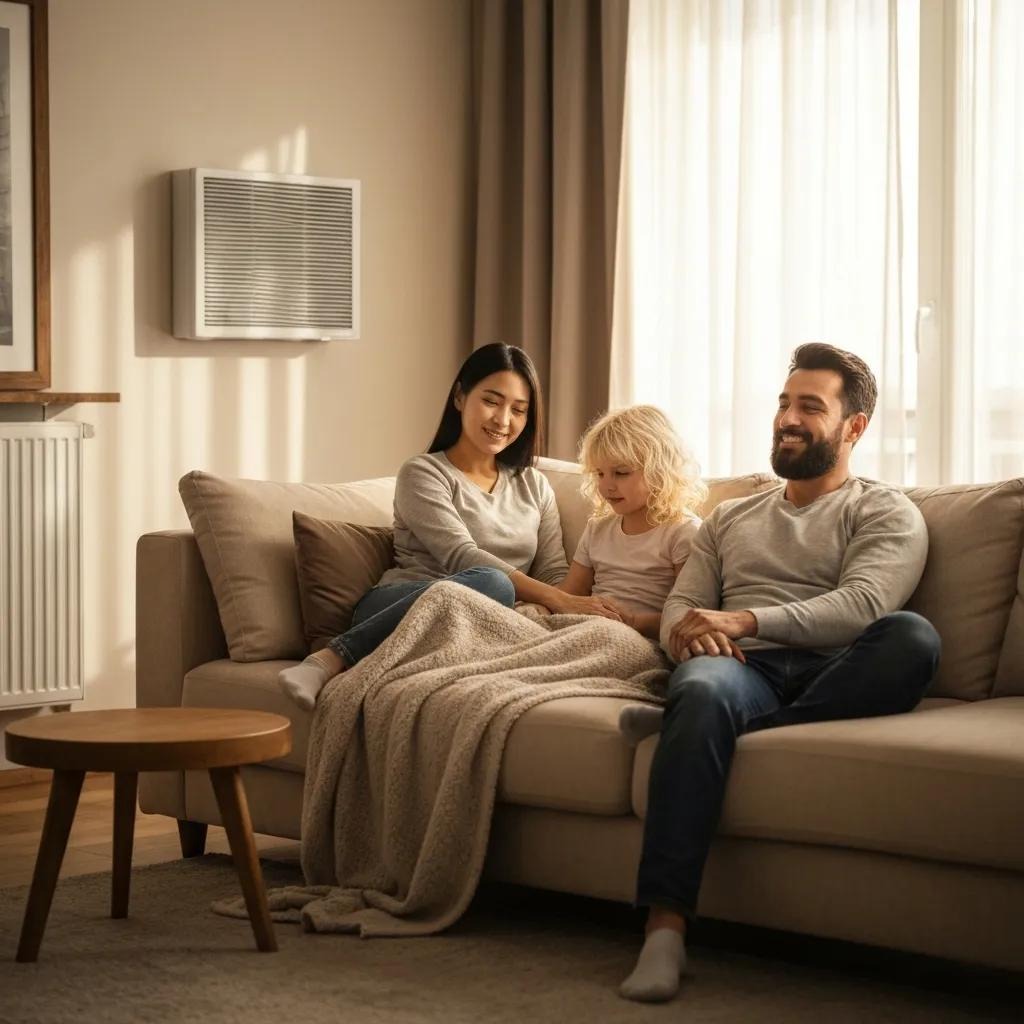
A failing heating system can quickly escalate from a minor annoyance to a dangerous, costly emergency. Recognizing early warning signs keeps your family safe, preserves equipment life, and limits repair bills. This article explains seven high-priority signs that your heating system needs immediate repair, offering practical guidance on what to check, what to do now, and when to call a professional. You will learn how unusual noises, furnace short cycling, uneven heating, sudden spikes in energy bills, strange odors, yellow pilot lights, and water leaks each map to likely causes and urgent homeowner actions. The guide covers safe troubleshooting steps, clear safety escalation instructions for gas and carbon monoxide (CO) risks, and preventative maintenance tips to reduce emergency breakdowns.
What Are the Most Common Warning Signs of a Failing Heating System?
A failing heating system often sends clear signals: unusual noises, uneven heating, frequent on/off cycles, rising energy bills, strange odors, visible leaks, and pilot light changes. These signs indicate malfunctioning or clogged components, reducing performance and safety. Recognizing each sign and knowing the immediate action—turn off the system, ventilate, or schedule an inspection—shortens repair time and lowers risk. Below is a direct numbered list of the seven warning signs to watch for:
- Unusual Noises: New banging, squealing, rattling, or grinding when the heater runs.
- Uneven Heating / Cold Spots: Rooms that stay colder than others despite thermostat settings.
- Frequent Short Cycling: Heater turns on and off many times in short succession.
- Skyrocketing Energy Bills: Sudden unexplained increases in furnace operating costs.
- Strange Odors: Persistent burning, musty, or gas-like smells coming from vents or the unit.
- Water Leaks or Corrosion: Visible condensation, puddles, or rust near the furnace.
- Pilot Light Changes (Yellow Flame): A yellow or flickering pilot light on a gas furnace.
This summary helps you match symptoms with likely causes and immediate homeowner actions. The following quick reference table maps three urgent signs to their typical causes and what to do right away:
This table condenses immediate diagnostic priorities. Understanding these quick actions reduces risk and speeds targeted repair. The next section explains how to identify and safely troubleshoot common issues yourself, and when to call a professional.
How Do Unusual Noises Indicate Heating System Problems?
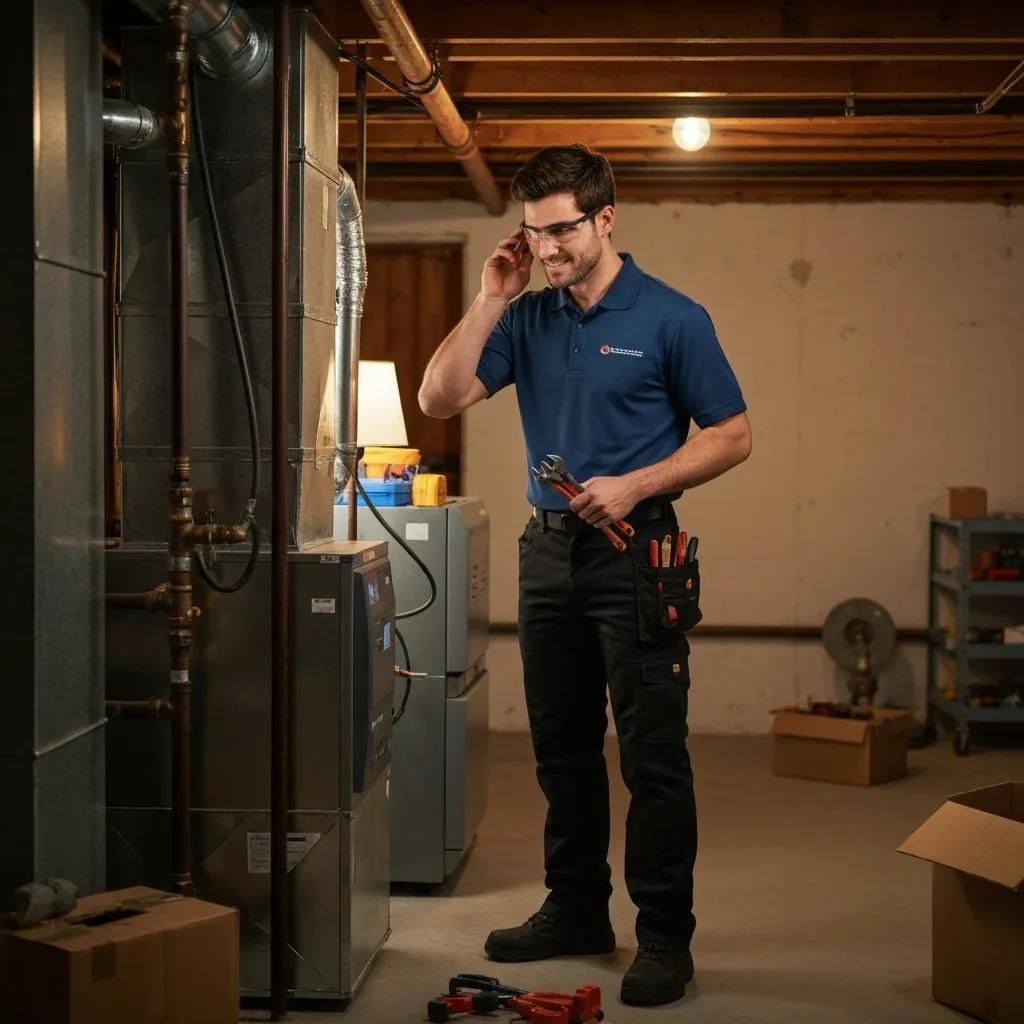
Unusual noises are specific indicators of component stress or failure: banging often signals delayed ignition or ductwork expansion/contraction, squealing typically points to a slipping blower belt or failing motor bearing, and rattling can indicate loose panels or ductwork issues. Document the noise’s timing, pitch, and whether it changes with thermostat commands to help technicians diagnose faster. Turn the system off immediately if you detect grinding, burning, or a smell of overheating, as these often mean mechanical contact or imminent failure. Persistent or worsening noises require prompt professional attention to prevent accelerated damage.
Why Are Skyrocketing Energy Bills a Sign of Heating System Trouble?
Higher energy usage usually reflects reduced heating system efficiency caused by clogged air filters, failing blower motors, poor combustion, blocked ducts, or a deteriorating heat exchanger. Homeowners should first check and replace the air filter, verify thermostat programming, and ensure supply vents are open. If bills remain high after these basic fixes, a professional efficiency inspection is warranted to test combustion, airflow, and duct leakage. The table below compares common causes of high bills with their system impact and required homeowner action.
This comparison shows that some causes are fixed by simple homeowner actions while others require professional assessment. The next section offers step-by-step troubleshooting checks homeowners can safely perform and clear criteria for when to call a pro.
How Can You Identify and Troubleshoot Frequent Heating System Issues?
Identifying frequent heating problems starts with a prioritized checklist of safe homeowner checks—filter, thermostat, vents, and basic visual inspection—then progresses to targeted measurements like airflow and pilot light color that guide professional diagnostics. Performing these checks in order reduces unnecessary service calls and isolates urgent issues. The diagnostic approach below emphasizes safety: avoid opening combustion chambers or touching electrical components, and stop if you observe gas smell, CO symptoms, or sparking. After safe homeowner checks, the troubleshooting table helps decide when to escalate to a trained HVAC technician.
Here’s a short prioritized troubleshooting list for immediate, safe homeowner checks:
- Check the air filter: Replace dirty filters to restore airflow and efficiency.
- Verify thermostat settings and batteries: Ensure correct mode and operation.
- Inspect vents and registers: Open closed vents and look for obstructions.
- Listen for abnormal sounds during startup: Note noise type and timing.
- Look for visible leaks or rust: Contain water and power down if electrical risk exists.
If symptoms persist after these steps, consult the diagnostic table below to decide whether to call a professional.
This table clarifies which problems are likely addressable at home and which require professional attention. If unsure, prioritize safety and contact a qualified technician. The next subsections explore uneven heating and short cycling in more detail.
What Causes Uneven Heating and Cold Spots in Your Home?
Uneven heating or cold spots often result from blocked vents, closed registers, imbalanced ductwork, thermostat placement near heat sources, or insulation issues. Start by checking that supply and return vents are open and unobstructed, compare room temperatures, and inspect insulation. If vents are clear and insulation is adequate, duct leaks or improper system sizing may be the cause, requiring professional inspection. Small adjustments can reduce cold spots, but persistent imbalance usually indicates a component-level issue.
What Is Furnace Short Cycling and How Does It Affect Your Heater?
Furnace short cycling is when a heater runs for a short time, shuts off, and repeats too frequently. This behavior reduces efficiency, increases wear on the blower motor and control board, and shortens equipment life. Common causes include an oversized unit, clogged air filter, restricted airflow, or thermostat malfunction. Homeowners can check and change filters and ensure vents are open, but if short cycling persists, a professional should assess refrigerant charge (for heat pumps), incorrect sizing, or control failures. Addressing it promptly protects the heat exchanger and prevents costly premature component failures.
What Safety Warning Signs Should Prompt Immediate Heating System Repair?
Safety warnings requiring immediate action include gas odors, yellow pilot lights, symptoms of carbon monoxide exposure (headache, nausea, dizziness), visible soot or flames, and persistent burning smells. These signs indicate incomplete combustion, possible gas leaks, or a cracked heat exchanger, constituting an immediate evacuation and emergency response scenario. If you detect any of these signs, evacuate occupants, ventilate if safe, avoid using electrical switches, and contact emergency services, the gas utility, and a qualified technician.
Here’s a concise “what to do now” list for safety-critical scenarios:
- Gas odor (rotten-egg smell): Evacuate everyone, avoid ignition sources, call the gas utility and a technician from a safe location.
- Yellow pilot light or visible soot: Turn off the appliance and schedule an immediate combustion inspection.
- Symptoms of CO exposure: Evacuate, seek fresh air and medical attention, and contact emergency services.
- Persistent burning or electrical smell: Power down the system and contact a professional immediately.
These steps prioritize life-safety and limit exposure to combustion byproducts. The following table outlines dangerous signs, immediate homeowner actions, and required escalation.
This table reinforces that safety signs require evacuation and professional intervention rather than DIY fixes.
Why Is a Yellow Pilot Light Dangerous for Gas Furnaces?
A yellow pilot light indicates incomplete combustion, which produces soot and can generate carbon monoxide—an odorless, colorless gas that poses serious health risks. A proper blue flame shows complete combustion. Any persistent yellow flame or soot accumulation should prompt immediate shutdown and professional investigation. Homeowners should avoid operating a furnace with a yellow pilot light, ventilate the area if safe, and call emergency responders and a qualified technician. Prioritize detection with CO alarms and rapid evacuation if symptoms appear.
What Do Strange Odors from Your Heating System Mean?
Different odors point to different problems: a strong rotten-egg smell signals a gas leak; persistent burning or electrical smells suggest wiring or motor overheating; and musty or mildew odors usually trace to trapped moisture in ducts or a dirty heat exchanger. For gas-like smells, evacuate immediately and contact the gas utility. For electrical burning odors, turn off the system and arrange an urgent inspection to avoid fire risk. Musty or dusty smells on first startup are often transient, but persistent mildew odors warrant duct cleaning or inspection of condensate traps and humidifiers. Proper identification of the odor directs the correct safety and repair response.
How Do Water Leaks and Other Physical Signs Indicate Heating System Failure?
Visible physical signs such as water pooling, rust, corrosion, soot, or cracked casing are tangible indicators of component failure or unsafe operation. Water leaks commonly come from clogged condensate drains, overflow pans, humidifier connections, or malfunctioning valves; left unchecked they can cause mold growth and electrical hazards. Soot or visible carbon buildup points to combustion inefficiency and potential heat exchanger problems, carrying carbon monoxide risk. Taking immediate containment steps for leaks and documenting physical damage significantly aids safe, effective repair.
This mapping clarifies that many leaks are repairable, but some physical signs (rusted heat exchanger, soot) require fast professional diagnosis to prevent health hazards.
What Causes Water Leaks Around Your Furnace and How Should You Respond?
Water leaks around a furnace often stem from a clogged condensate line, cracked condensate pan, leaking humidifier, or improper condensate pump operation. Homeowners can safely inspect for visible pooling, trace the leak, and clear debris from accessible condensate lines, but should turn off power if water contacts electrical components. Mop up standing water and ventilate the area; then schedule a service visit. If the leak recurs or if the heat exchanger shows signs of corrosion, consider urgent professional evaluation.
When Is It Time to Replace an Old or Inefficient Heating System?
Replacement is recommended when a heating system shows objective indicators: age typically beyond expected service life (15–20 years for furnaces), repeated major repairs, a cracked heat exchanger, or efficiency loss that makes operating costs exceed replacement ROI. Evaluate triggers such as frequent costly failures, rising energy bills despite repairs, and safety issues like corrosion or compromised combustion. Replacing an old system improves energy efficiency, reliability, and safety. Schedule a professional assessment to compare repair vs. replacement options and to review compatible system types.
Why Is Early Detection and Professional Inspection Crucial for Heating System Repairs?
Early detection preserves safety, lowers lifetime costs, and prolongs equipment life by catching component-level faults before they cause cascading failures. Professional inspection identifies hidden issues such as combustion inefficiency, duct leakage, and failing components. A scheduled tune-up prevents emergency breakdowns while improving energy efficiency. Preventative maintenance translates into measurable benefits: fewer emergency calls, lower energy consumption, and reduced risk of CO exposure.
Here is a practical preventative maintenance checklist homeowners can use:
- Annual combustion and heat exchanger inspection: Detect cracks and efficiency loss before failure.
- Replace air filters every 1–3 months: Maintain airflow and reduce blower strain.
- Clean condensate drains and pans: Prevent water leaks and mold.
- Lubricate moving parts and inspect belts: Reduce wear on blower motor and pulleys.
- Check thermostat calibration and controls: Ensure correct cycling and prevent short cycling.
How Can Preventative Furnace Maintenance Help Avoid Emergency Repairs?
Preventative maintenance performs targeted tasks—filter replacement, combustion tuning, blower inspection, condensate cleaning—that reduce wear and identify failing parts before they cause breakdowns. For example, replacing a dirty air filter reduces blower motor stress and prevents short cycling, while a combustion inspection confirms safe heat exchanger operation and reduces carbon monoxide risk. Regular tune-ups also improve energy efficiency. The net effect is fewer emergency service calls, lower yearly operating costs, and extended equipment life, making routine inspection a cost-saving and safety-enhancing practice.
How Does Goode Air Conditioning & Heating Provide Expert Heating Repair Services?
Goode Air Conditioning & Heating, Inc. offers comprehensive heating repair, maintenance, and installation services for homeowners and businesses in Northeast Houston and surrounding areas. They provide indoor air quality solutions, heat pump and mini-split services, emphasizing dependable, high-quality HVAC work. For safety-critical situations, they offer a 24/7 answering service for prompt guidance and emergency response coordination. Homeowners noticing any warning signs can contact Goode Air to schedule an inspection or heating repair appointment to restore safe, efficient operation.
What Are the Most Asked Questions About Heating System Warning Signs?
This FAQ-style section answers top homeowner queries in a concise, snippet-friendly format, optimized for common searches like “signs of a bad furnace” and “how often should a heating system be serviced.”
What Are the Signs of a Bad Furnace?
A bad furnace shows inefficiency, frequent breakdowns, loud or strange noises, persistent odors, visible leaks, and short cycling. Key signs include unusually high energy bills, cold spots, soot or yellow pilot light, and repeated major repairs. If you observe safety-related signs—gas smell, CO symptoms, or yellow flame—evacuate and seek immediate professional help. For non-emergency signs, schedule a diagnostic inspection.
How Often Should a Heating System Be Serviced to Prevent Repairs?
A heating system should receive a professional tune-up at least once annually, ideally before the heating season. High-use systems or older equipment may benefit from semiannual checks. Regular service includes filter inspection, combustion analysis, blower and belt checks, condensate cleaning, and thermostat calibration. If you notice warning signs between scheduled visits, request an out-of-cycle service to prevent escalation. Routine maintenance reduces unexpected breakdowns and supports long-term system reliability.
If you identify an urgent warning sign now, schedule heating repair or contact Goode Air Conditioning & Heating, Inc. for a prompt inspection and expert assistance.