DIY Heating Repairs vs. Hiring Pros: Weighing the Benefits and Risks for Homeowners
Evaluate the pros and cons of DIY heating repairs versus hiring professionals. Make informed choices to save money and keep your home warm this winter!

DIY Heating Repairs vs. Hiring Pros: Weighing the Benefits, Risks, and Costs
Deciding whether to attempt DIY heating repairs or hire a professional is a practical and safety-critical choice every homeowner faces. This article explains the pros and cons of DIY heating repairs versus hiring an HVAC technician, focusing on safety, warranties, costs, and practical maintenance you can do at home. You will learn which tasks are safe for a homeowner, the common hazards associated with amateur repairs (including carbon monoxide and gas leak risks), and the clear signs that warrant calling a professional. The guide covers cost comparisons, how warranties are affected by DIY work, and the preventative maintenance steps that extend system life and improve energy efficiency. Throughout, we emphasize regional considerations for Northeast Houston and Humble, TX homeowners, highlight diagnostic and safety capabilities of certified technicians, and offer clear decision checkpoints so you can choose the safest, most cost-effective path for your heating system.
What Are the Main Benefits of Hiring Professional Furnace Repair Services?

Hiring a professional furnace technician delivers measurable safety, diagnostic, and lifecycle advantages compared with DIY fixes. Professionals perform systematic diagnostics that identify root causes — not just symptoms — which reduces repeat failures and limits collateral damage to components like control boards and heat exchangers. A trained technician follows safety protocols for gas appliances and performs combustion and carbon monoxide testing to protect occupants; that testing prevents hazardous outcomes and ensures code-compliant repairs. Skilled service also typically restores efficiency lost to wear, improving energy use and thus lowering operating costs over time. These performance and safety benefits are why many homeowners weigh professional service as an investment in system longevity rather than just an immediate expense.
What Long-Term Savings and Warranty Protections Come with Professional Heating Service?
Professional service preserves manufacturer warranty terms in many cases by documenting authorized repairs and using approved replacement parts, which avoids the risk of voided coverage after DIY alterations. Regular professional tune-ups typically restore system efficiency, often yielding measurable energy savings that offset service costs over time. Certified diagnostics reduce the chance of cascading failures that lead to expensive replacements, for example preventing a small ignition issue from escalating to heat exchanger damage. Below is a compact comparison of common professional benefits to make the trade-offs clear.
Different service attributes and their impact on household heating systems.
This table shows how professional services translate into safety, reliability, and financial value over the system lifetime. For homeowners seeking local support, Goode Air Conditioning & Heating, Inc. lists certified technicians and offers free estimates and comprehensive HVAC services in Northeast Houston, Humble, TX, and surrounding areas. If you prefer to have a trained technician verify a suspected issue, contacting a local certified provider can reduce safety risk and protect warranty eligibility while providing documented service records.
What Are the Common Risks and Dangers of DIY Heating Repairs?

DIY heating repairs introduce several clear hazards that can escalate quickly without professional training or tools. Mistakes in gas-handling, electrical connections, or component reassembly can create immediate safety threats such as gas leaks, carbon monoxide production, electrical shock, or fire. Incorrect repairs can also void manufacturer warranties and increase long-term replacement costs when critical components like heat exchangers or control boards are damaged. Industry reports note an uptick in botched DIY repair calls leading to follow-up professional interventions, which underlines the practical risk homeowners assume when they skip certified service. Understanding these risks helps homeowners draw firm boundaries around what to attempt and what to leave to trained technicians.
How Can DIY Heating Repairs Lead to Electrical Hazards and Gas Leaks?
Common DIY mistakes include improper wiring of control circuits, loose terminal connections, and incorrect reinstallation of ignition components; these errors can create shorts, arcing, or failed safety interlocks. On gas-fired systems, incorrect valve handling or disturbed fittings may cause slow leaks that are not obvious until a CO alarm or odor appears, and compromised combustion can produce carbon monoxide. If homeowners notice hissing, the smell of gas, or CO alarm activation, the immediate actions are to evacuate, ventilate if safe, and contact emergency services before attempting repairs. Prevention begins with recognizing limits — electrical and gas-system tasks require trained diagnostics and certified equipment.
The potential for carbon monoxide poisoning from faulty furnaces is a significant, yet often preventable, danger in homes.
What Financial Pitfalls Result from Voided Warranties and Incorrect Repairs?
When DIY work alters factory-installed components or bypasses required service records, manufacturers can deny warranty claims, shifting replacement costs to the homeowner. A small up-front saving on parts or tools can become far costlier if an incorrectly installed part causes secondary failures—control board damage or heat exchanger stress can require expensive replacements. Many homeowners who attempt small repairs end up calling professionals to correct the mistake, incurring both the original DIY expense and professional repair fees. In short, apparent short-term savings can translate into higher long-term outlays when warranty protection and correct installation are lost.
Which Heating Maintenance Tasks Can Homeowners Safely Perform Themselves?
Some routine maintenance tasks are safe, effective, and recommended for homeowners to keep a system healthy between professional tune-ups. Tasks such as replacing air filters, checking thermostat settings and batteries, and ensuring vents and returns are unblocked maintain airflow and system efficiency without exposing owners to combustion or electrical risks. Performing these simple tasks regularly reduces strain on the system and can reveal symptoms early, prompting timely professional inspection. The guidance below clarifies typical homeowner tasks, the tools or skill needed, and when a task moves beyond safe DIY.
How to Change Air Filters, Check Thermostats, and Reset Breakers Safely?
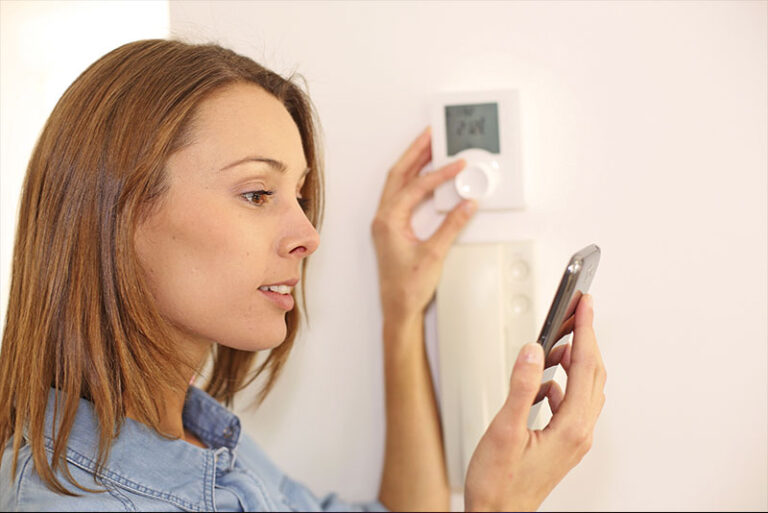
Changing a disposable air filter is straightforward: turn the thermostat off, note filter size and airflow direction, slide the old filter out, and install a correctly sized replacement with the arrow pointing toward the furnace. Thermostat upkeep includes replacing batteries annually, checking programming, and confirming the thermostat is level and not affected by direct sunlight or obstructions. Resetting a tripped breaker requires identifying the correct panel, switching the breaker fully off, then back on; if breakers trip repeatedly after reset, stop and call a technician as persistent trips indicate deeper electrical faults. These tasks require minimal tools and low risk when done with basic precautions and awareness.
When Should Homeowners Stop DIY and Call a Professional Technician?
Homeowners should escalate to professional help when problems involve gas connections, combustion, sealed refrigerant systems, electrical control boards, or when symptoms persist after basic troubleshooting. Warning signs to stop DIY include repeated breaker trips, visible soot, persistent carbon monoxide alarm activations, or unexplained increases in energy bills that indicate efficiency loss. Professionals provide documented diagnostics, repair authorization for warranties, and calibrated testing to confirm safe operation—services that are beyond the scope of typical homeowner capability. When in doubt, calling a certified technician prevents missteps and protects both occupants and equipment.
How Do DIY Heating Repair Costs Compare to Professional HVAC Services?
Comparing the upfront cost of DIY repairs against the long-term financial implications of professional service requires examining initial material and tool expenses, potential warranty impacts, and expected system longevity. DIY efforts can save on labor for very simple tasks but often incur hidden costs if repairs are incorrect or if replacement components fail prematurely. Professional service typically costs more up front for labor but tends to reduce the likelihood of repeated service calls and preserves warranty coverage, which can lower lifecycle expenses. The following EAV-style comparison shows typical trade-offs between DIY and professional approaches.
What Are the Initial Savings vs. Long-Term Expenses of DIY vs. Professional Repairs?
Small DIY tasks such as filter replacement or thermostat battery changes typically save money and are low risk, but attempting component replacements like control boards or heat exchangers without expertise can cause expensive secondary damage. Professionals bring diagnostic tools and system knowledge that reduce the likelihood of repeat visits and misapplied parts, which lowers combined lifetime costs. Industry trends indicate an increase in botched DIY repair calls that often require professional remediation, erasing initial savings and adding corrective costs. Homeowners should balance immediate savings against the potential for long-term replacements and warranty denial.
How Do HVAC Repair Warranties Affect Overall Repair Costs?
Warranties often require authorized service and documented maintenance schedules to remain valid; DIY interventions that alter original parts or remove labels can void coverage. When a warranty is void, the homeowner bears the full cost of major replacements that otherwise might be covered, which can substantially elevate lifecycle expenses. Maintaining records of professional tune-ups and repairs helps support future claims and preserves the value of manufacturer or extended warranties. Checking warranty terms before attempting any repair is a pragmatic step to avoid unintentionally assuming full replacement costs.
When Should You Hire a Heating Technician? Clear Signs and Emergency Situations
There are unmistakable signals that demand immediate professional attention, and recognizing them protects health and prevents catastrophic equipment failure. Emergency indicators include the smell of gas, activation of a carbon monoxide alarm, persistent lack of heat during cold periods, visible combustion odors, or loud and unusual mechanical noises. Non-urgent but important reasons to call a technician include frequent cycling, unexplained energy bill increases, or repeated tripping of electrical components. A clear decision framework helps homeowners act quickly in emergencies and schedule routine professional diagnostics before issues worsen.
- Smell of gas: Evacuate immediately, avoid using electronics, and call emergency services — do not attempt repairs.
- Carbon monoxide alarm activation: Evacuate and seek medical attention if symptomatic; have the system inspected before re-entry.
- No heat during cold weather: If basic checks fail, call a technician to diagnose ignition or blower issues.
- Loud banging or grinding noises: Mechanical failures can precede catastrophic damage; stop system use and schedule professional service.
These emergency signals require prompt professional attention to protect people and property, and recognizing them quickly can prevent escalation into more dangerous situations. If you encounter any of the above, contact a qualified technician rather than continuing DIY attempts.
What Are the Warning Signs of Heating System Failure or Carbon Monoxide Danger?
Warning signs that suggest imminent system failure or carbon monoxide risk include repeated pilot or ignition failures, yellow or irregular burner flames, soot buildup, and occupant symptoms such as headaches or nausea. A functional CO detector is the primary early warning device recommending immediate evacuation and professional evaluation if it activates. Visible corrosion, persistent odors, and unexplained performance loss are also indicators that a sealed component or combustion pathway may be compromised. Professionals perform combustion analysis and heat exchanger inspection to validate safety and determine repair pathways.
How Do Professionals Handle Complex Issues Like Refrigerant Leaks and Component Failures?
For sealed-system issues and refrigerant handling, professionals follow regulatory requirements and use certified recovery and leak-detection equipment to locate, repair, and recharge systems safely. Complex component failures, such as cracked heat exchangers or failing control boards, require part-level diagnostics, manufacturer-approved replacements, and post-repair testing to confirm safe operation. Technicians sequence repairs by isolating faults, validating root causes, and then performing corrections with documented tests to ensure the issue does not recur. This rigorous approach is why professionals are recommended for any task involving refrigerants, sealed systems, or structural component replacement.
How Can Preventive Heating Maintenance Extend System Life and Improve Efficiency?
Preventive maintenance targets issues before they become failures, preserving system efficiency and avoiding emergency replacements. Services such as blower cleaning, combustion testing, heat exchanger inspection, and control calibration can uncover early wear, reduce energy consumption, and extend equipment life. Regular maintenance also provides documented service records that support warranty claims and resale value, and in regions like Northeast Houston and Humble, TX, seasonally timed tune-ups reduce stress from coastal humidity and variable winter loads. Investing in scheduled maintenance typically reduces the frequency of emergency calls and lowers total lifecycle cost.
What Preventive Services Do Professionals Provide That Homeowners Often Miss?
Professional preventative checks include combustion analysis to validate safe fuel burning, heat exchanger inspection for hairline cracks that cause CO risk, electrical control diagnostics to identify failing relays or contactors, and airflow measurements to ensure proper distribution. These inspections use calibrated tools and expertise that detect subtle failure modes long before symptoms emerge. Professionals also test safety switches, verify venting integrity, and check gas pressure and ignition sequences—tasks that require training and specialized instruments. Detecting these issues early avoids catastrophic failures and maintains efficient operation.
How Can Seasonal HVAC Tune-Ups in Northeast Houston and Humble, TX Improve Heating Performance?
Seasonal tune-ups scheduled before the heating season help address local climate impacts such as coastal moisture that can accelerate corrosion and soiling of combustion components. Timing maintenance for cooler months ensures ignition systems, burners, and controls are tested under conditions that mirror actual use, reducing the chance of mid-season failures. In the Northeast Houston and Humble, TX area, periodic inspections tailored to local temperature swings and humidity patterns can reduce emergency service calls and preserve efficiency. If homeowners want a documented seasonal check, scheduling a tune-up before the first major heating cycle is a practical way to avoid reactive repairs.
For homeowners ready to convert preventive knowledge into action, Goode Air Conditioning & Heating, Inc. serves Northeast Houston, Humble, TX, and surrounding areas with certified technicians, free estimates, and comprehensive HVAC services. If you prefer a professional inspection or want a free estimate to assess whether a repair or a seasonal tune-up is the safest next step, contact a local certified provider to schedule service and ensure your system is both reliable and warranty-compliant.
Call or text (281) 446-6719 today for fast, reliable service—Goode Air Conditioning & Heating, Inc. is here to keep your home comfortable and worry-free.

Customer Testimonials
See why so many homeowners trust Goode Air Conditioning & Heating, Inc.—our 4.8-star Google rating and hundreds of happy customers speak to the quality, care, and service we deliver every day.